IONIQ EV Charging Experience
#Electric Vehicle
#Mobile UI
#B2C
#Mobility
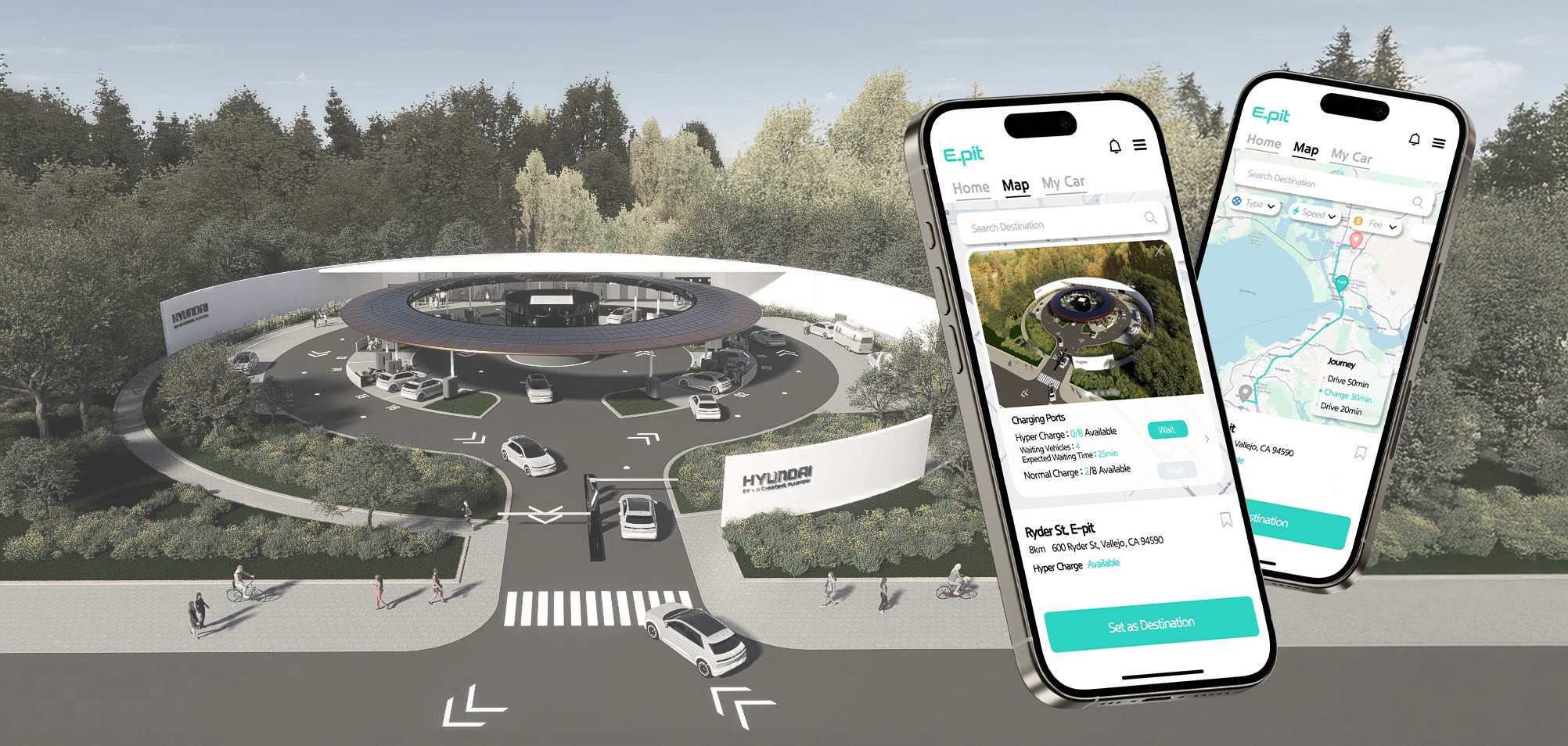
This project aims to derive unique selling points through research for HYUNDAI's new EV Charging Stations and improve the EV charging user experience both in physical (architectural) and digital (app) environments.
Date
February 2024 ~ July 2024
Tools
Team
x1 UX Design & Researcher (Me)
Highlights
On-Site Research
Proposal

Problem
Charging = Wasting Time
Lack of Care
[Forced to remain in Vehicle]
Lack of Status Feedback
[Waiting for Open Charging Port]
Solution
Charging = Relaxing Time
Compensation through Service & Interface
[Entertainment, Rest, Eat, Work]
[Vending Machine, Ice Machine, Drinking Foundation, Free Wi-fi, Window Wiper, Vacuum Cleaner]
[Charging Port & Facilities Usage Status]
Research
Objective
Identify a Unique Selling Point (USP) that can encompass a North America-specific charging service experience
On-site Research
Taking the perspective of EV drivers, we centered on the interactions with the user and their vehicle with the EV station’s services and spatial aspects. The device aspects were documented but were limited in terms of design development.
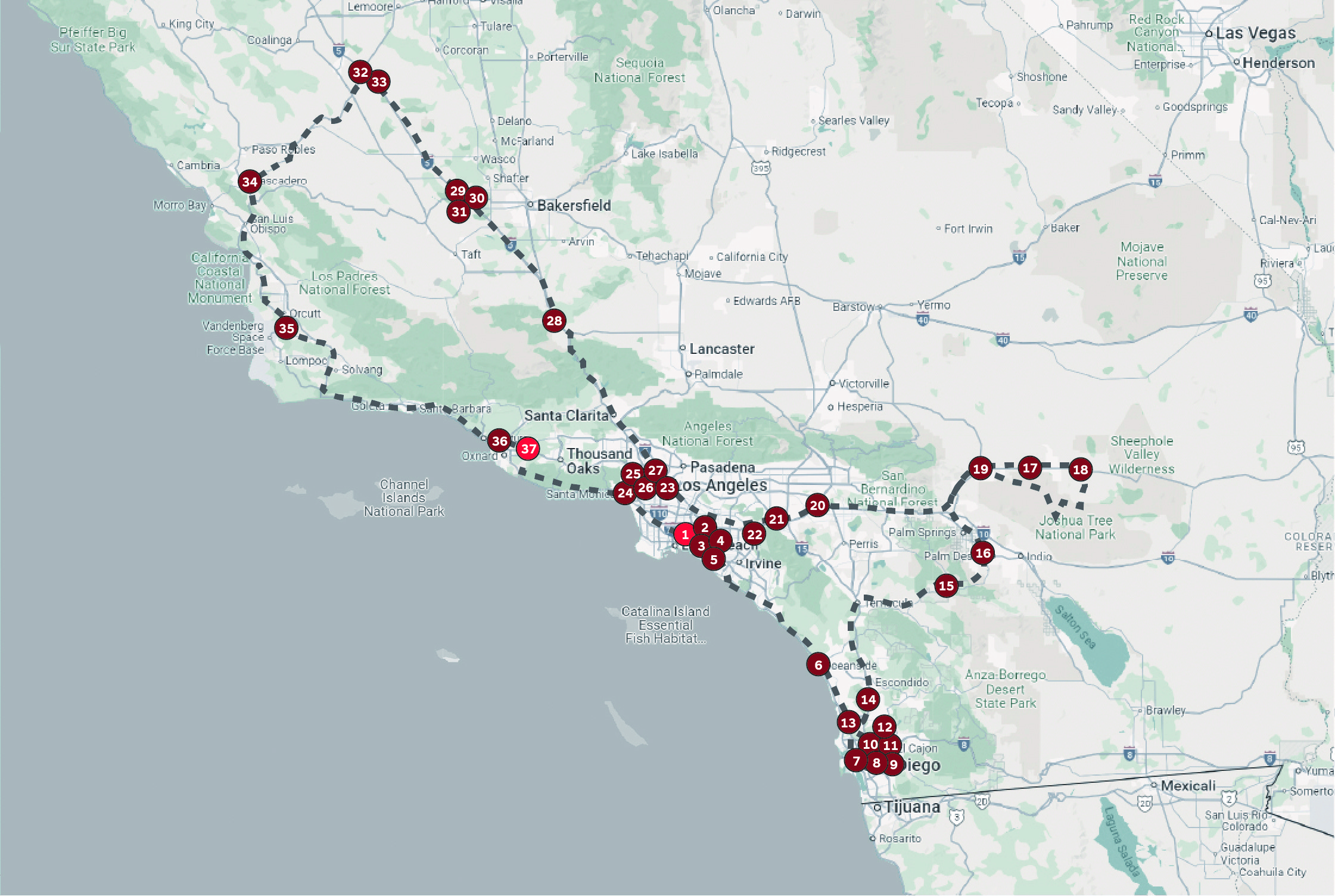
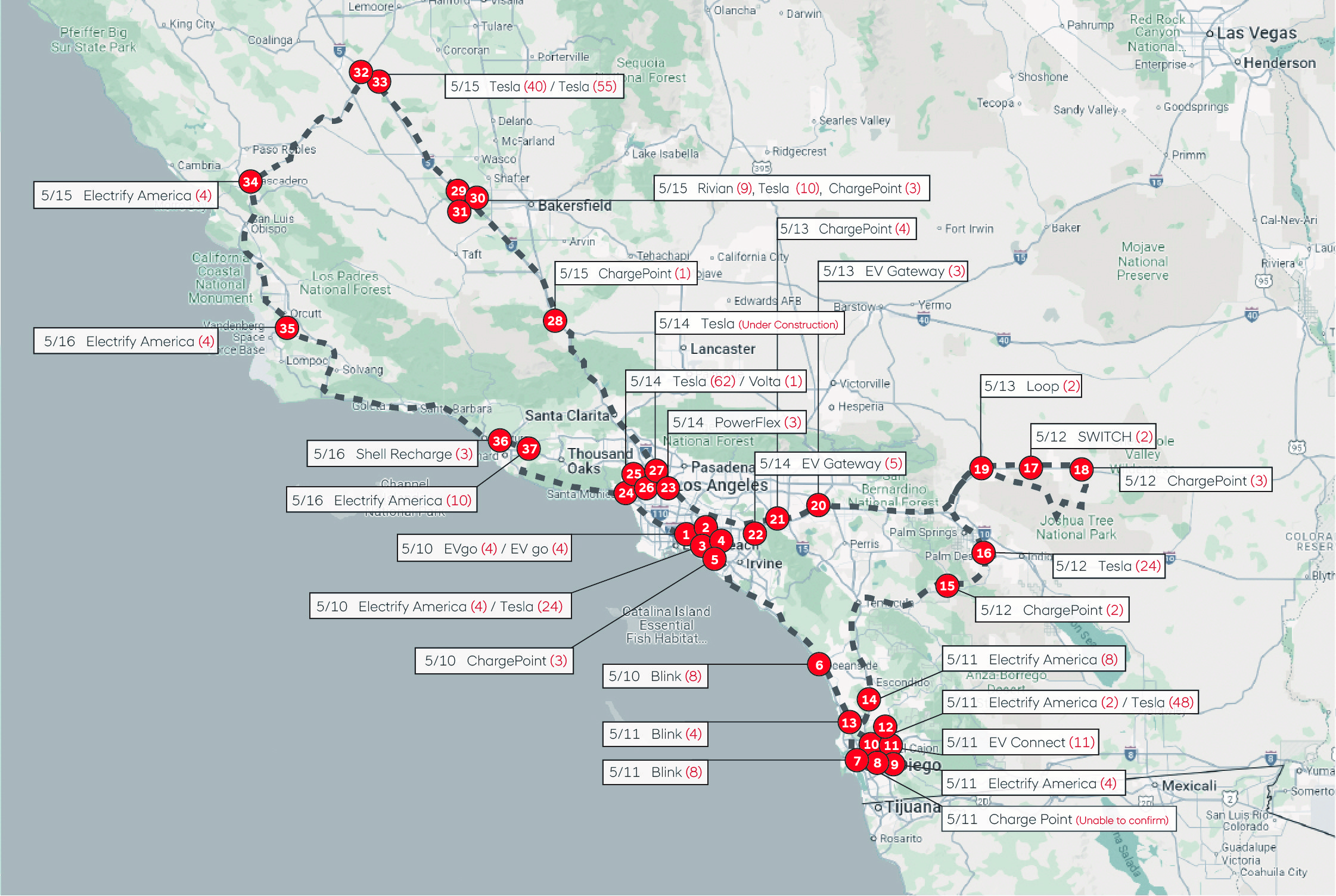
On-site Field Research Plan & Course
Research Focus
Some photos from our field-research trip!
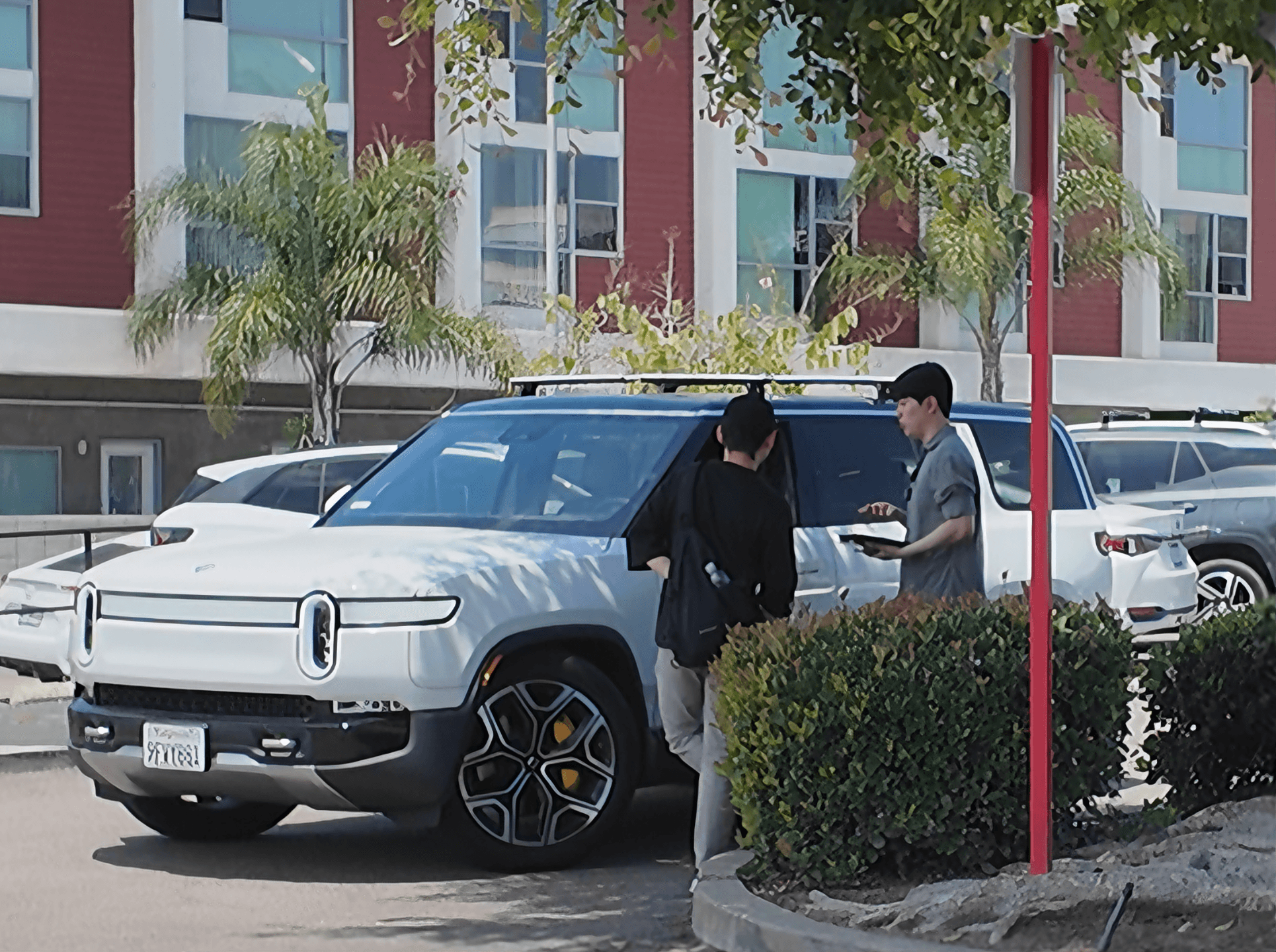


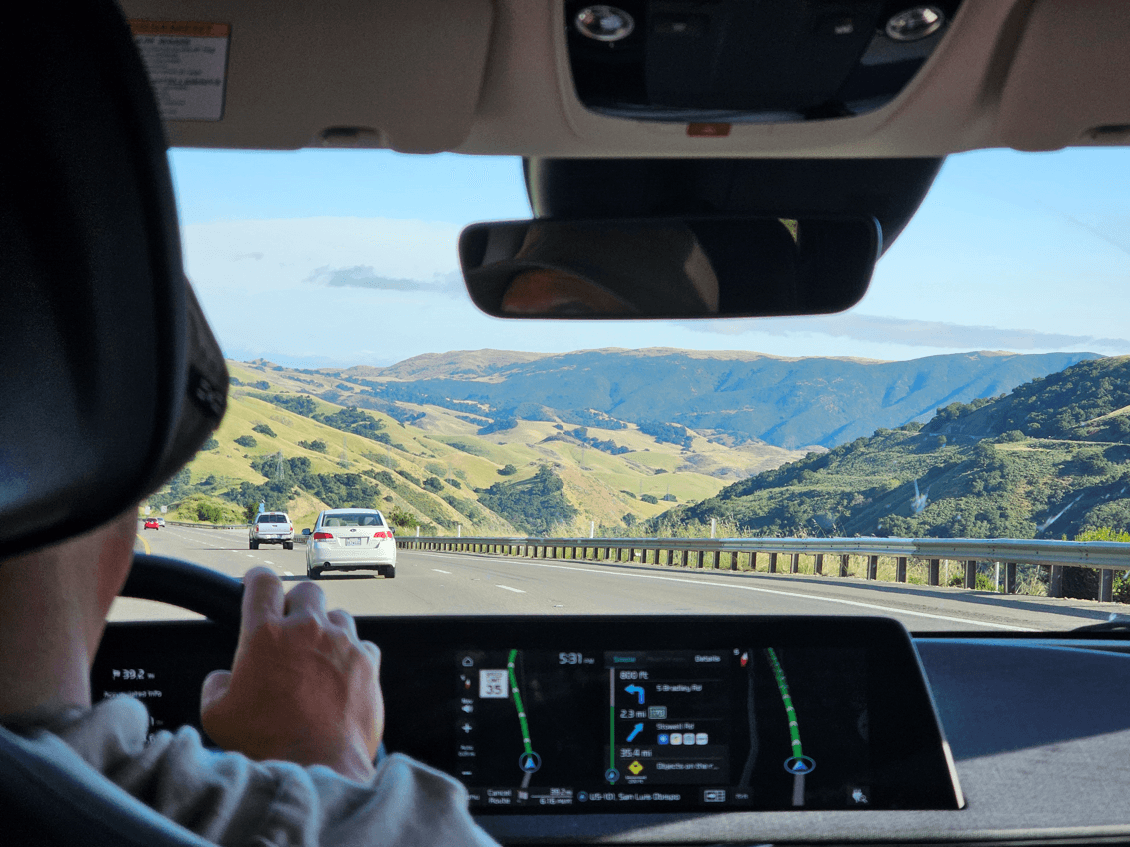

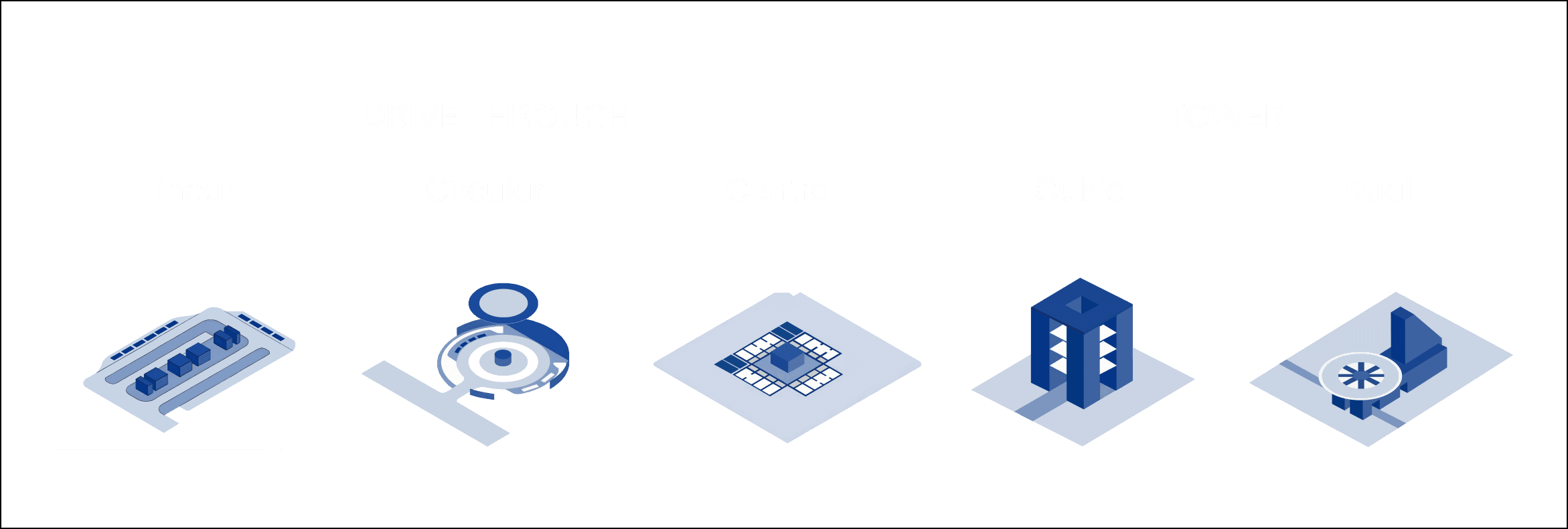
The 37 Charging Stations our team visited could be divided into 4 categories.
Each had different characteristics in terms of both service and spatial aspects.
Inside Building with Service Space
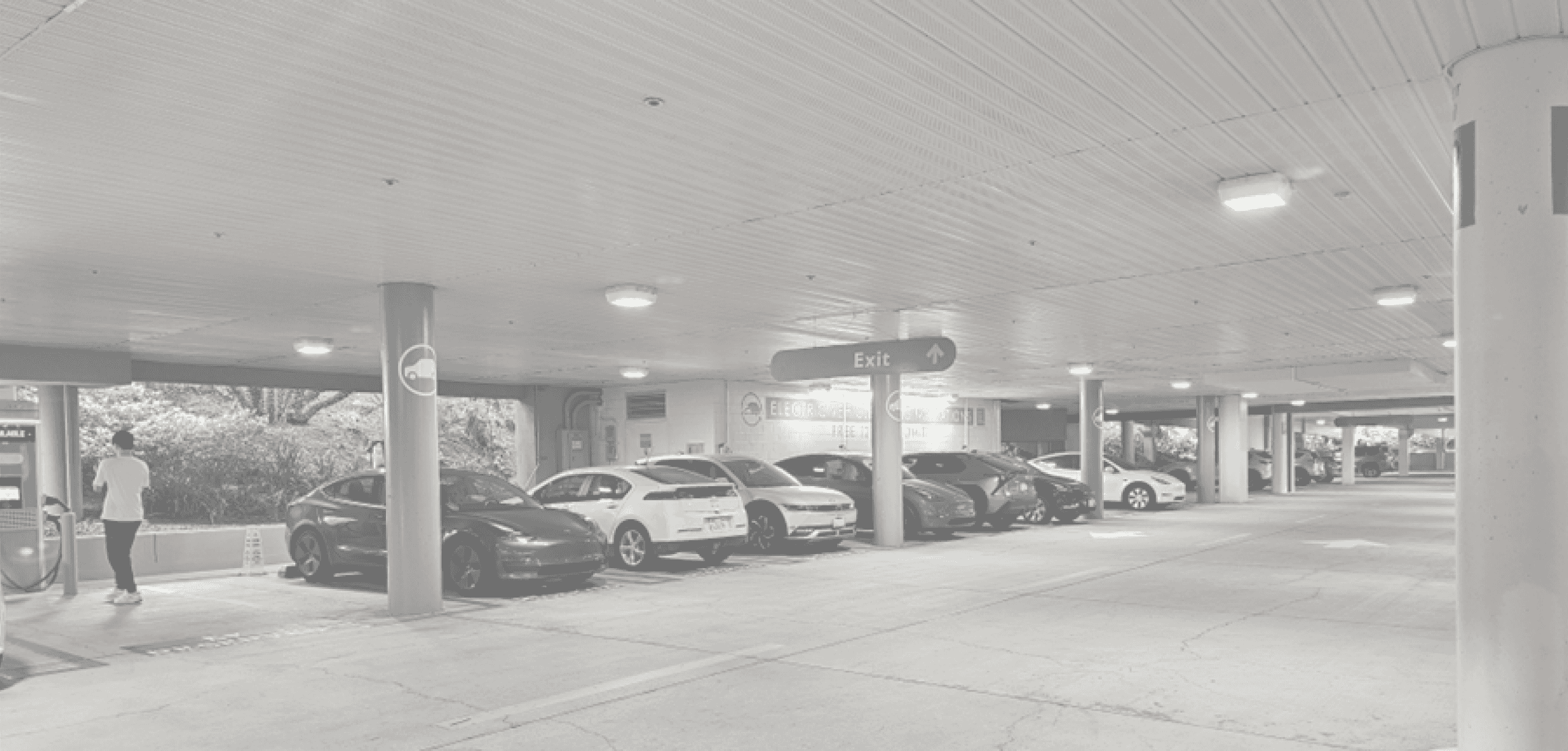
Inside Building without Service Space
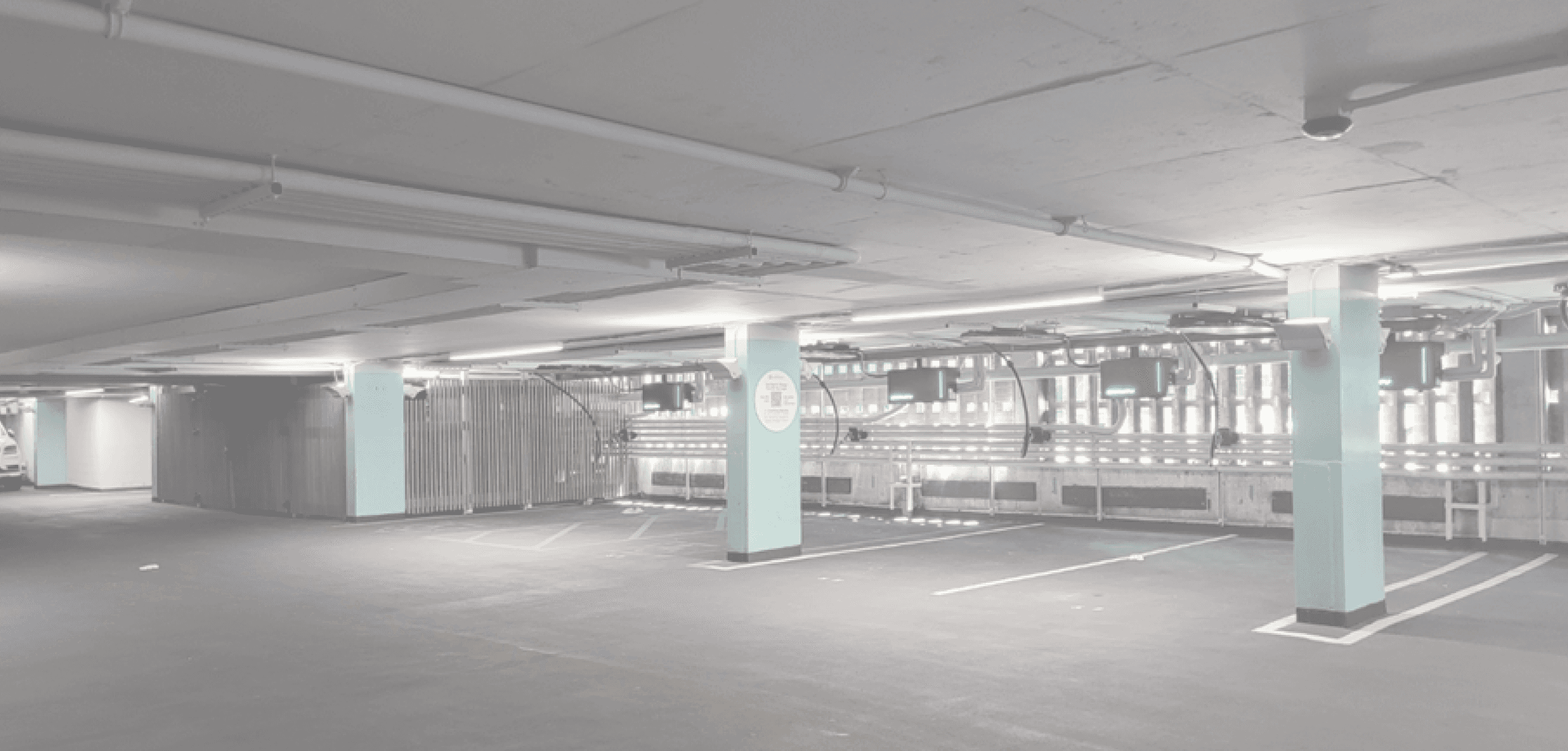
Outside Building with Service Space
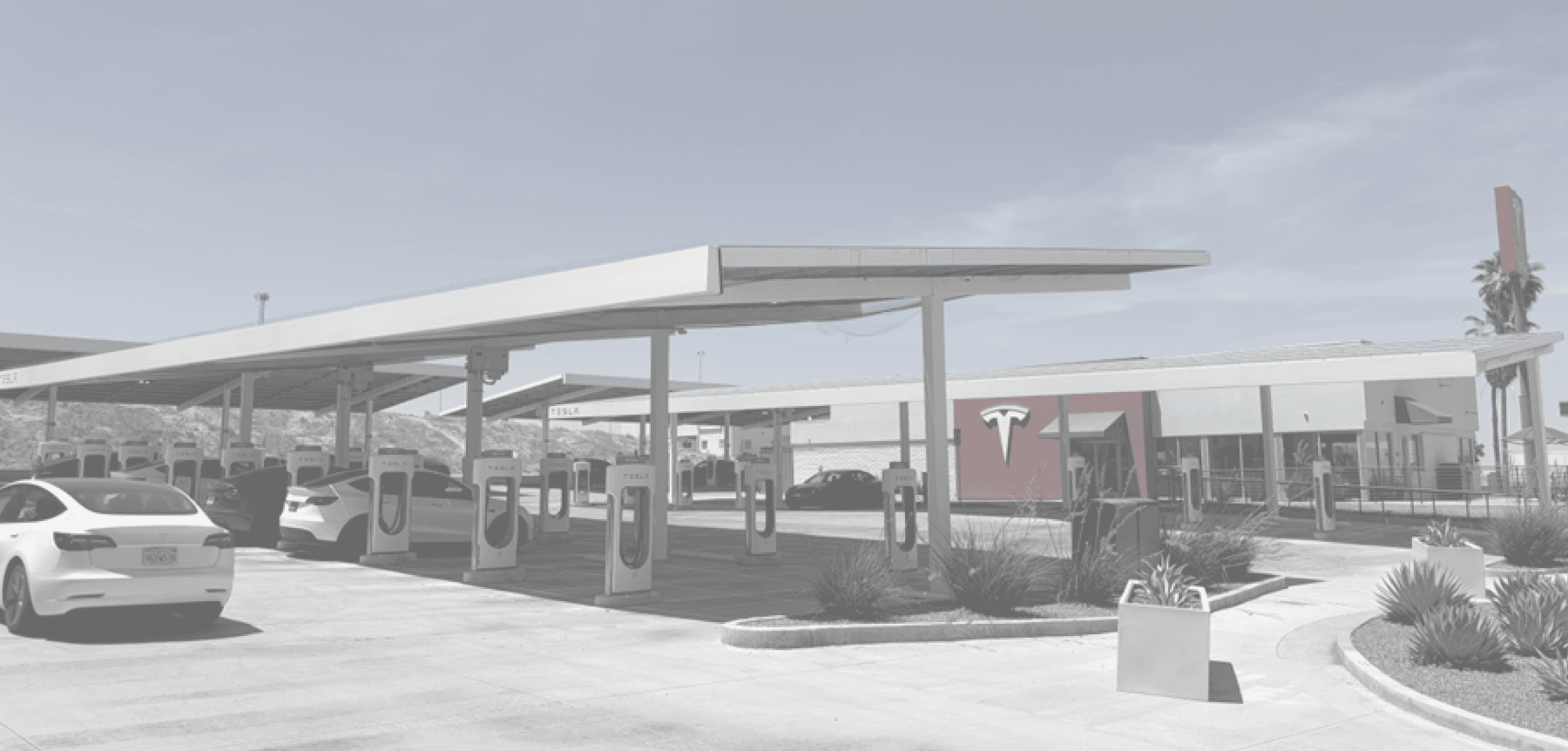
Outside Building without Service Space

Research Key Insights
One of the major insights that was gained was the importance of Solar Canopies for shelter and the services provided for the EV stations users. This was most evident in the Kettleman City EV station.
Kettleman City Tesla Supercharger
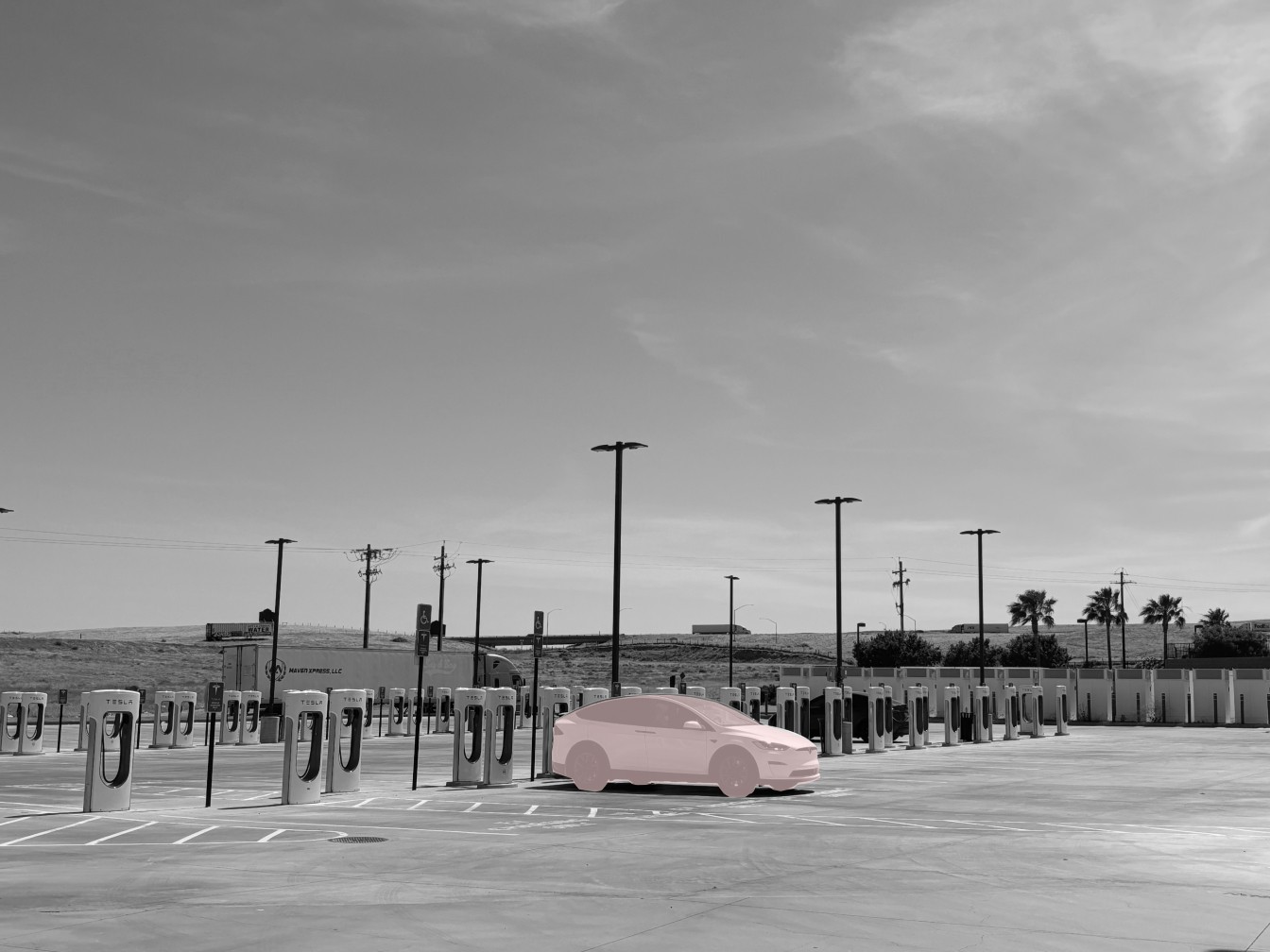
Without Solar Canopies / Service Spaces
Ports in Use : 1 / 55
Kettleman City Tesla Lounge Station
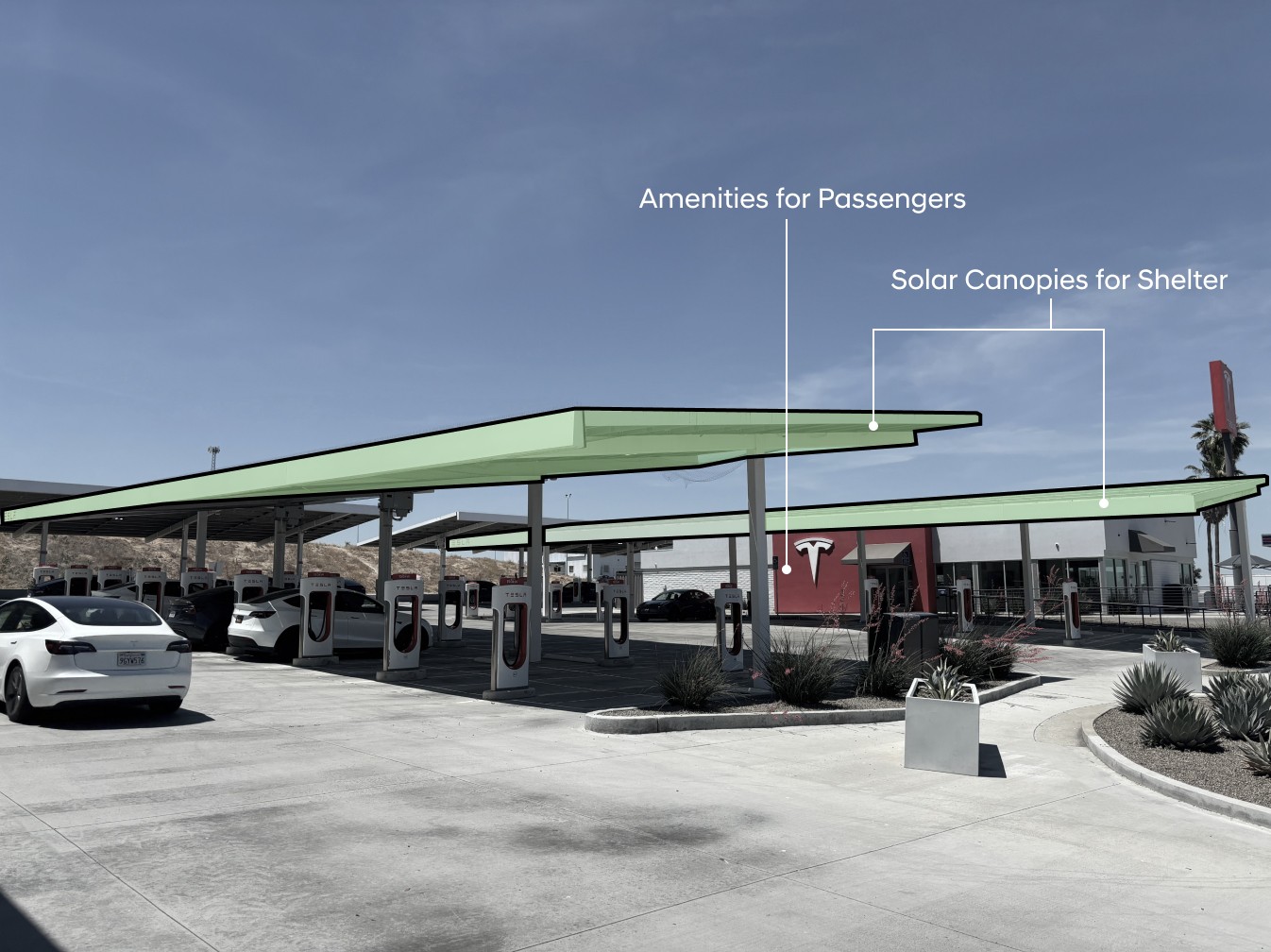
With Solar Canopies / Service Spaces
Ports in Use : 15 / 55
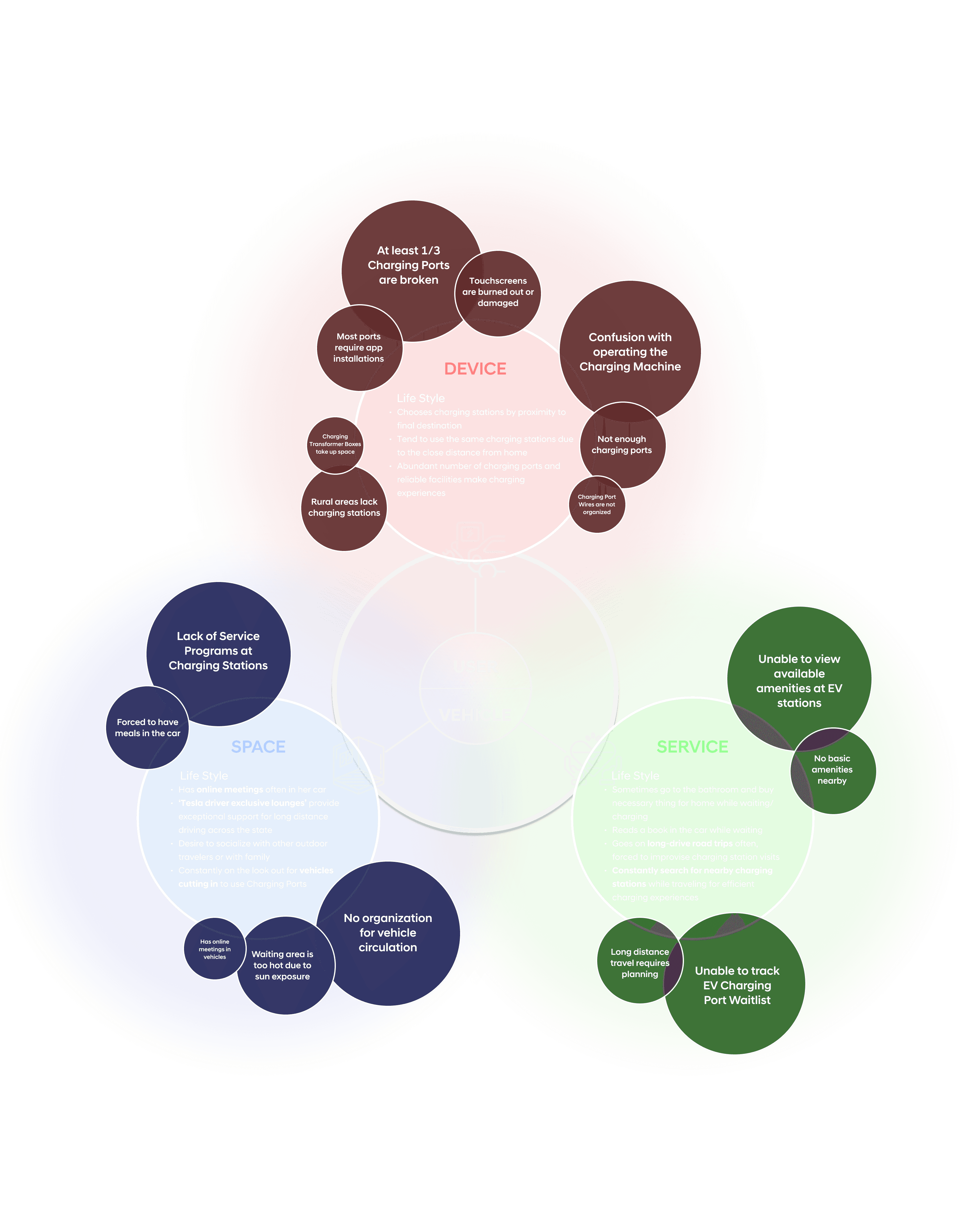
Lifestyles and Pain Points of 3 Persona Types
Putting ourselves in the perspective of EV drivers, we centered on the interactions with the user and their vehicle with the EV station’s services and spatial aspects. We deprioritized the device insights due to technical limitations.
User Flow
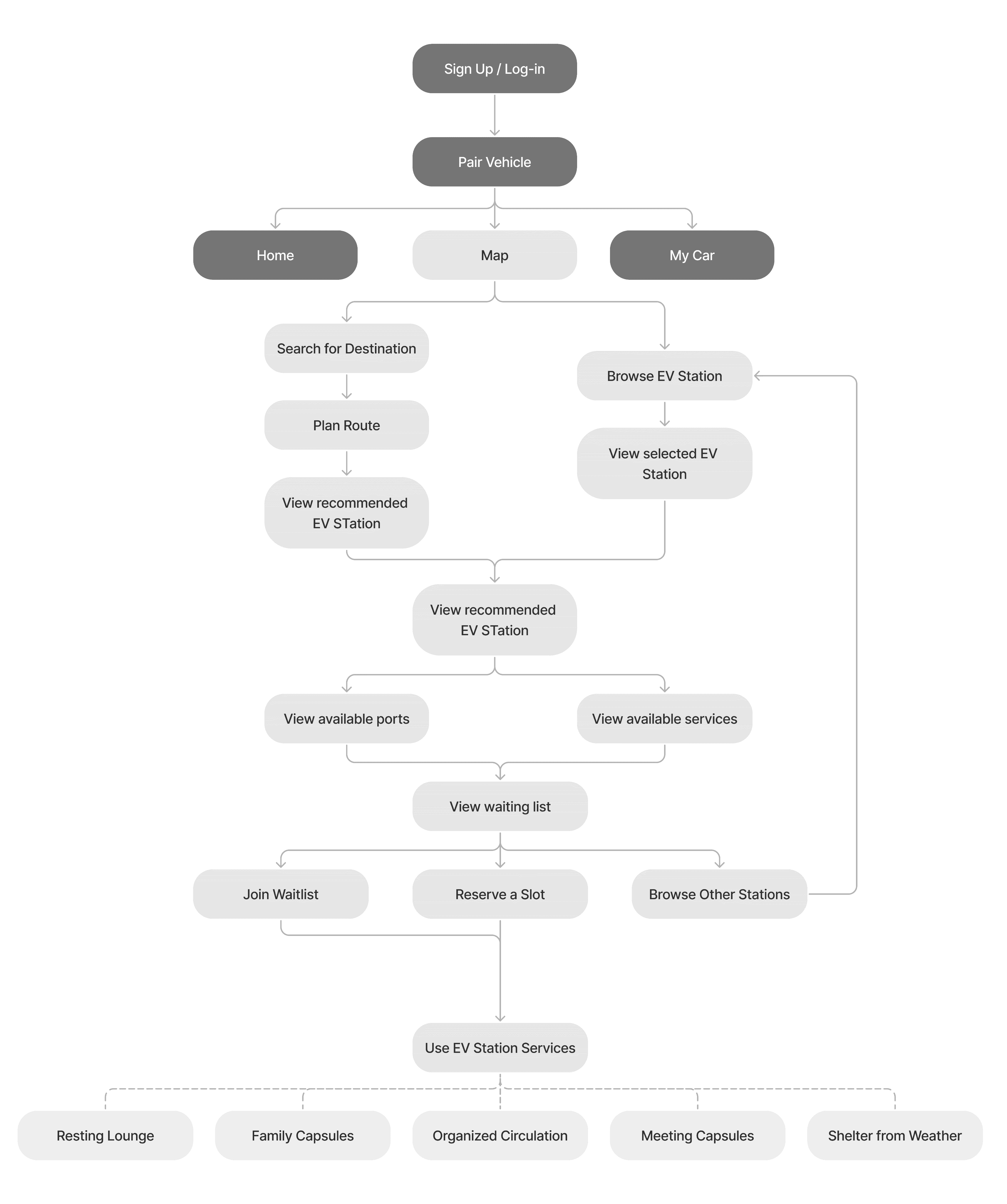
The overall user flow with EV charging can be divided into 2 parts.
The first part is mainly affected by the App Interface which requires necessary information to locate stations.
The next part is mainly affected by the EV station's spatial aspects, which the EV users will experience once they arrive.
Interface Design
This User Experience Segment is connected with the lack of information regarding the charging station’s status and efficient travel planning
Spatial Design
This User Experience Segment is connected with the lack of service spaces & spatial organization
Interface Design
Service Problem
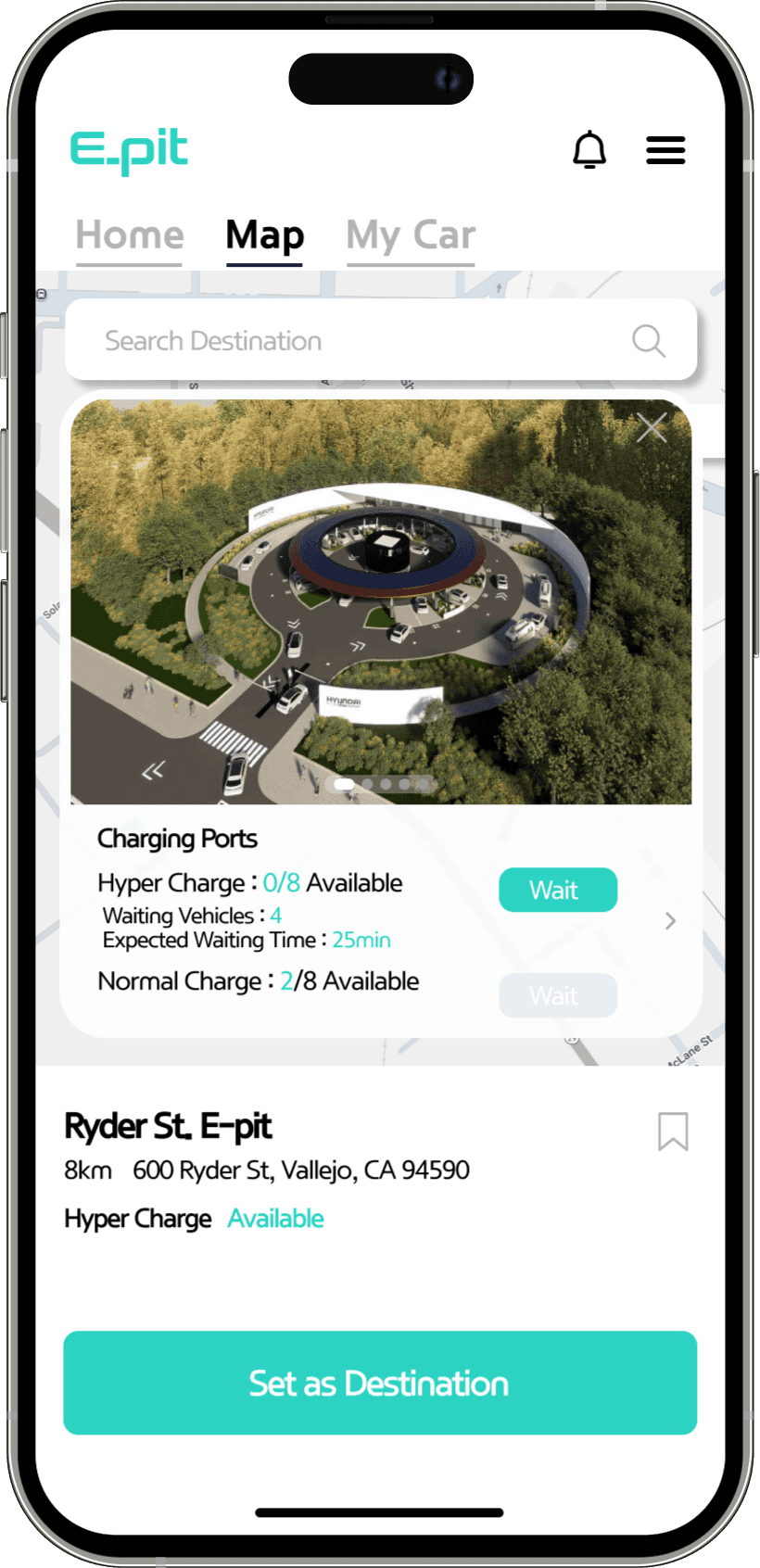
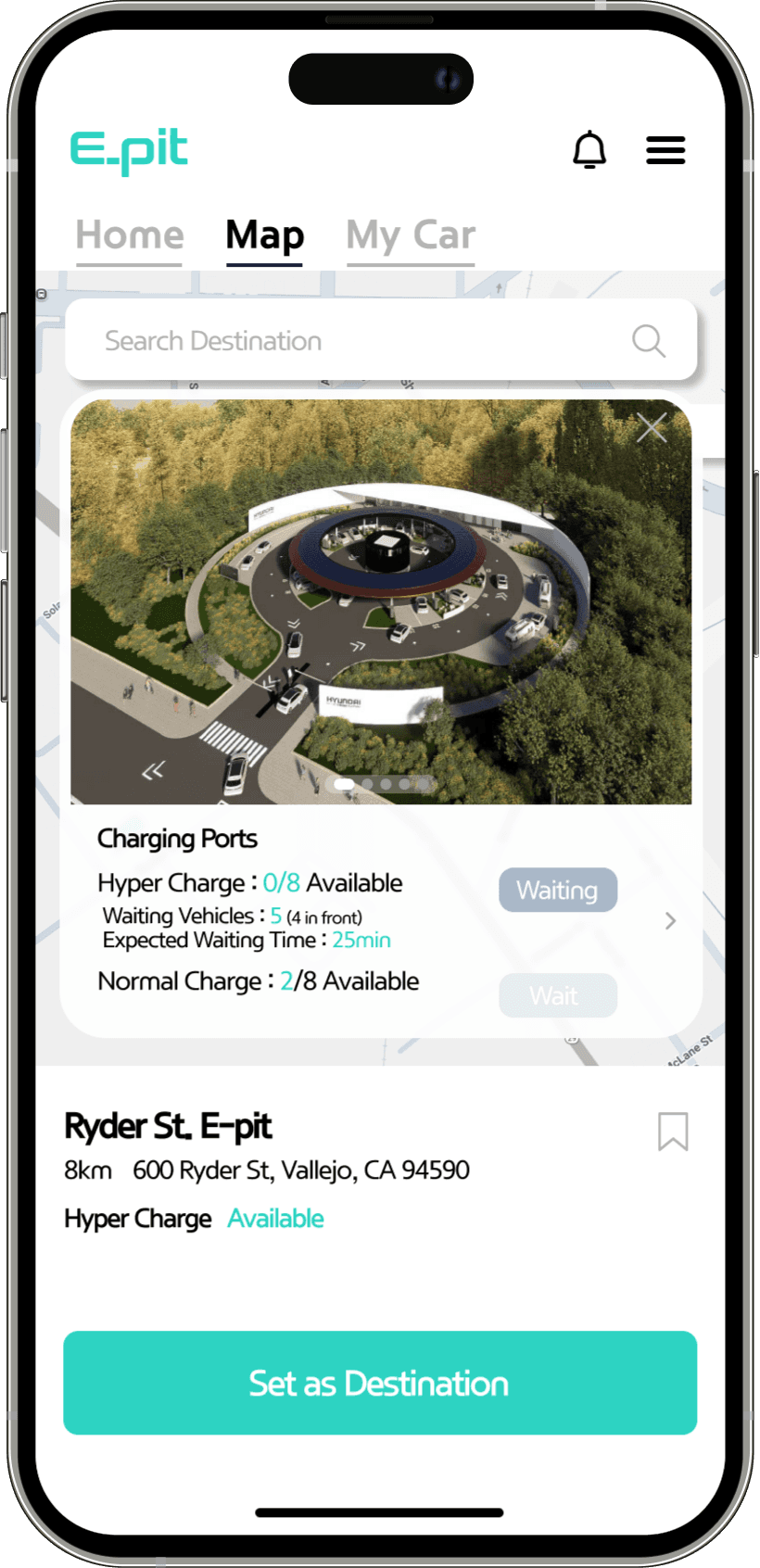
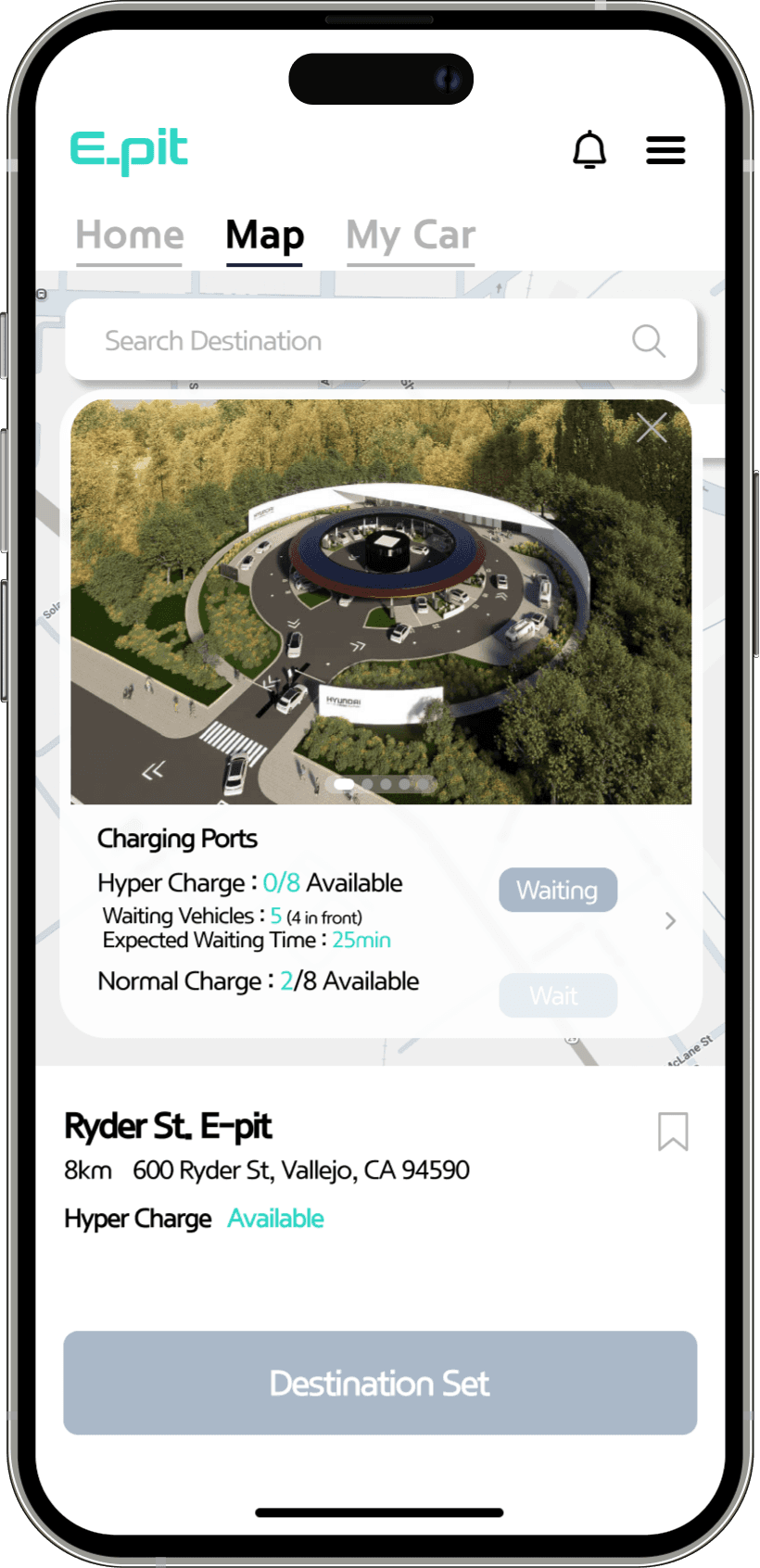
The current [E-pit] app does not provide information of how many vehicles are waiting for certain charging ports, causing long lines to form at stations with insufficient ports. Moreover, users couldn't track the status of amenity usage at the station they are headed. These problems could be solved through interface modifications.
Unable to track Vehicles Waiting for Open Charging Slots
Difficulty in Planning Charging Station Usage during Long Trips
Unable to track Amenities or Program Usage Status at Charging Stations
Visual Design Guidelines
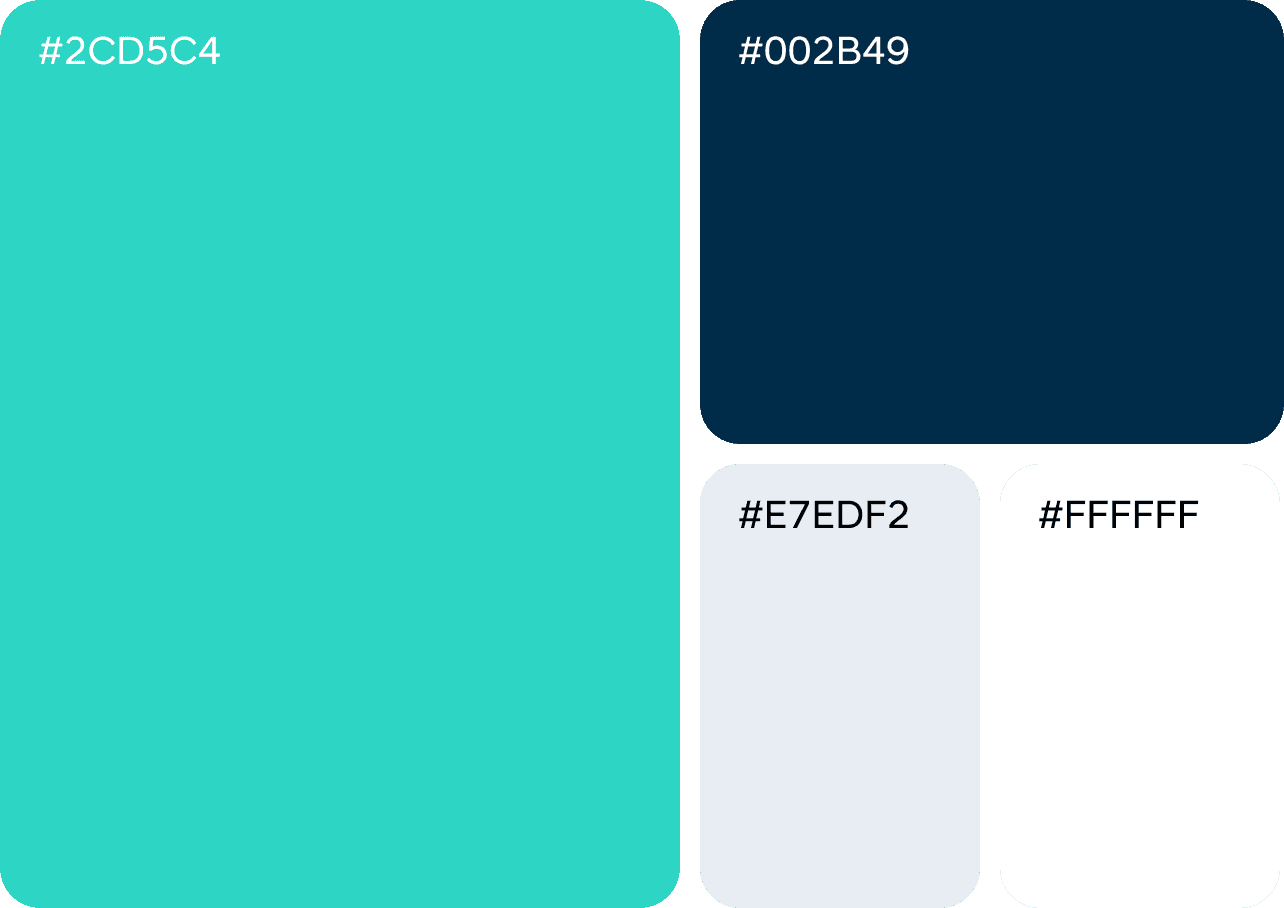
Color
I followed the color scheme of the original E-pit Brand of HYUNDAI Motor Group for visual consistency.
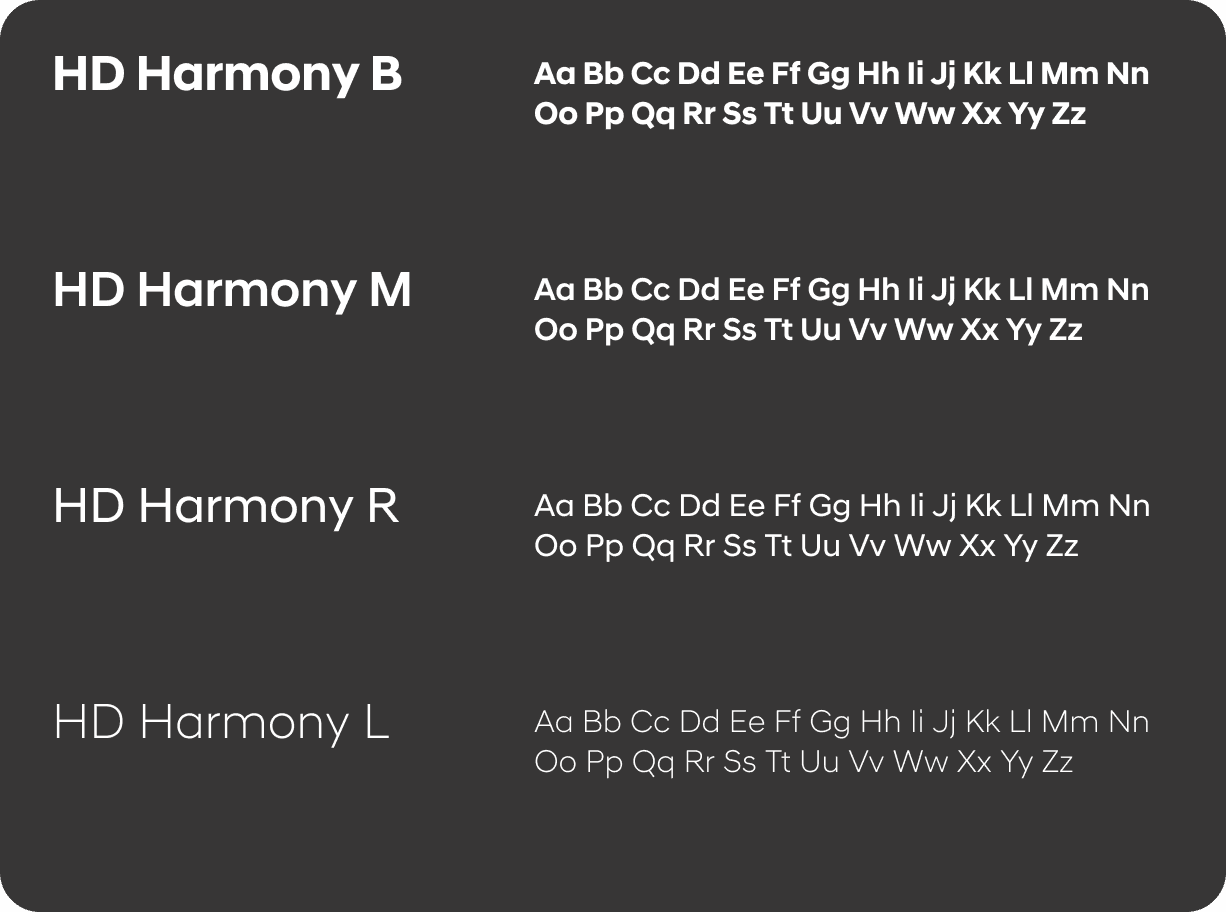
Typography
I followed the font of the original E-pit app interface of HYUNDAI Motor Group for visual consistency.
Interface Design Outcome
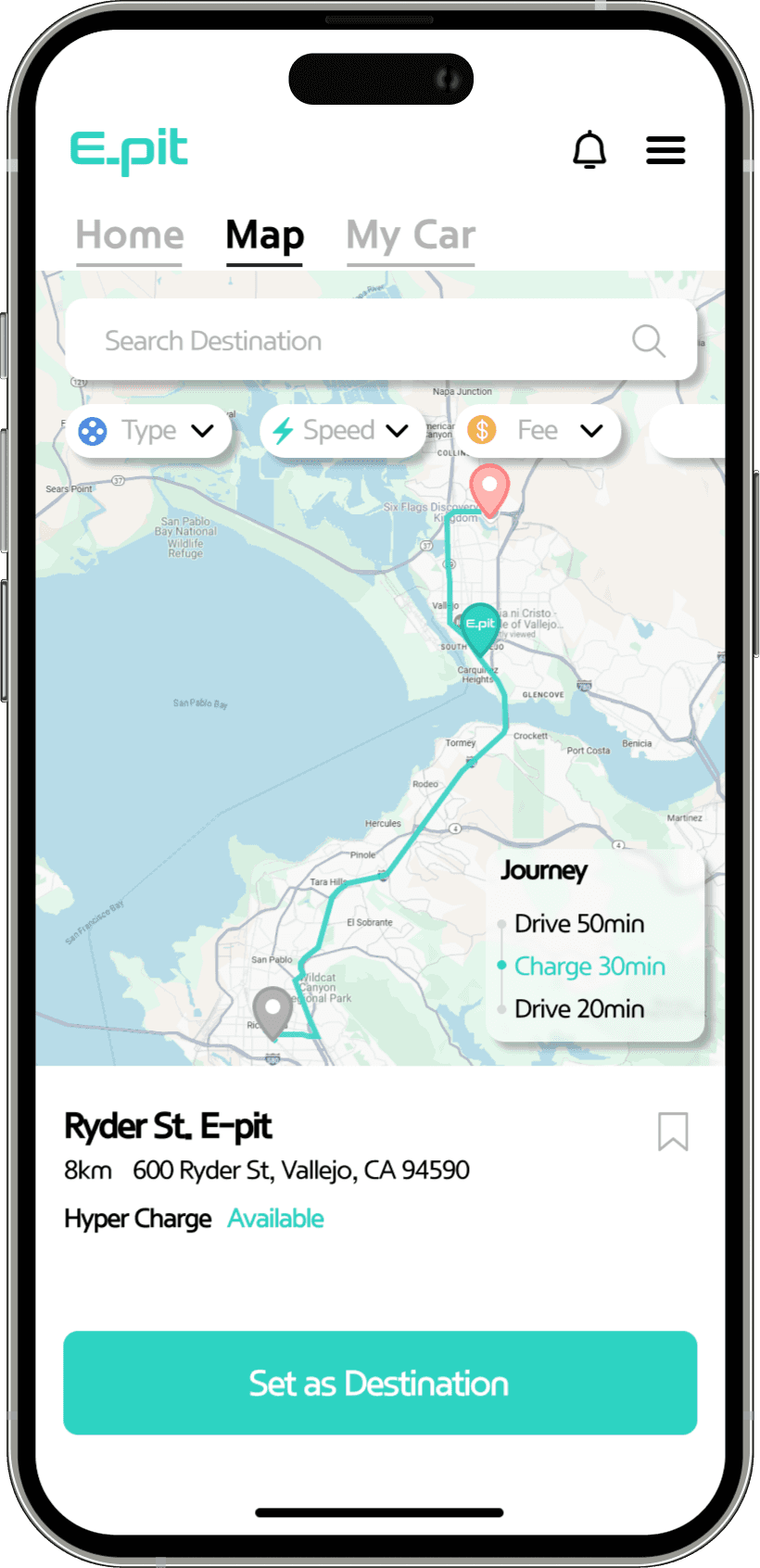
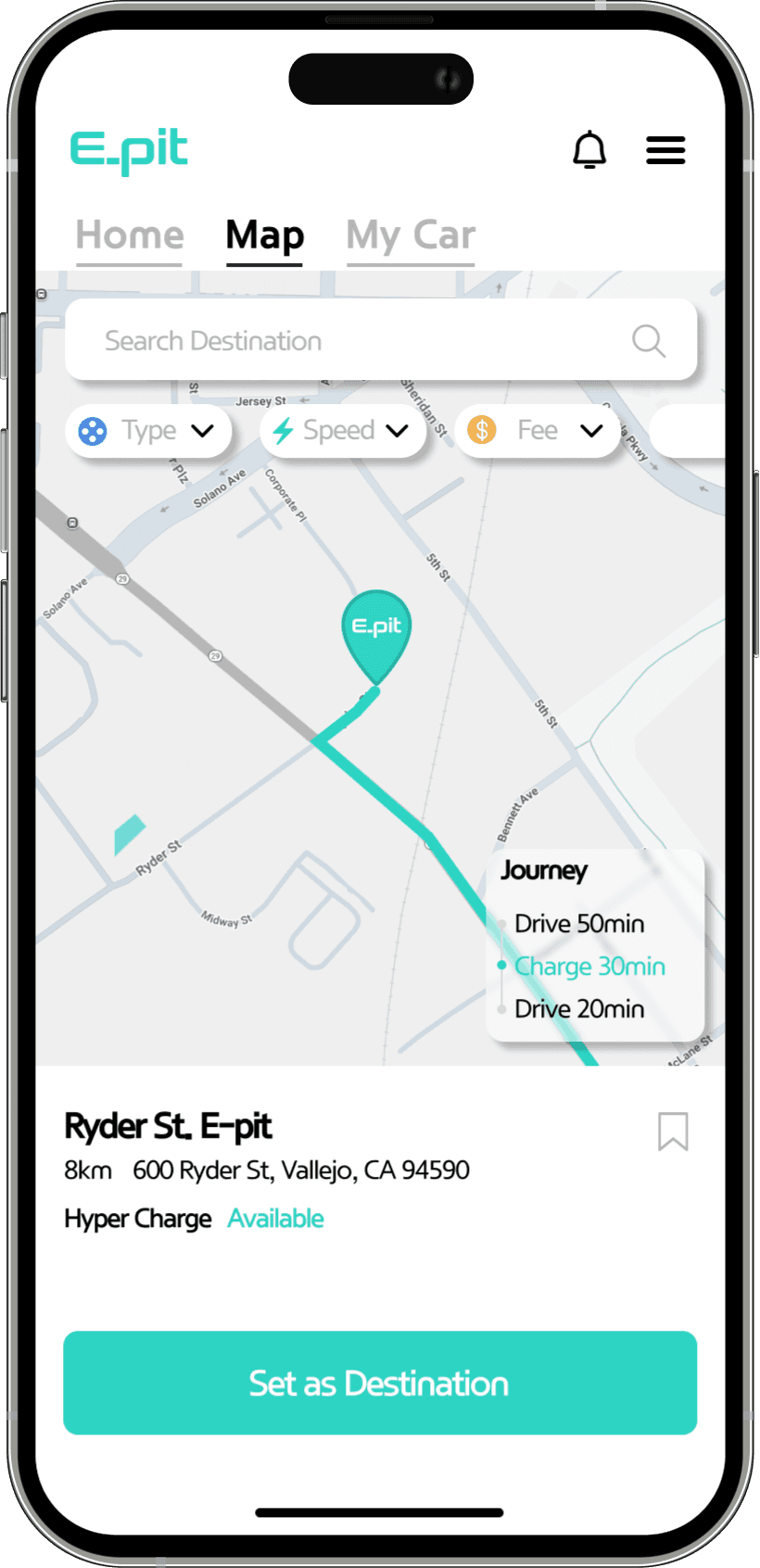
Journey Planning & EV Station Recommendation
Users can receive recommendations of EV Stations that best match their journey as well as view the whole duration.
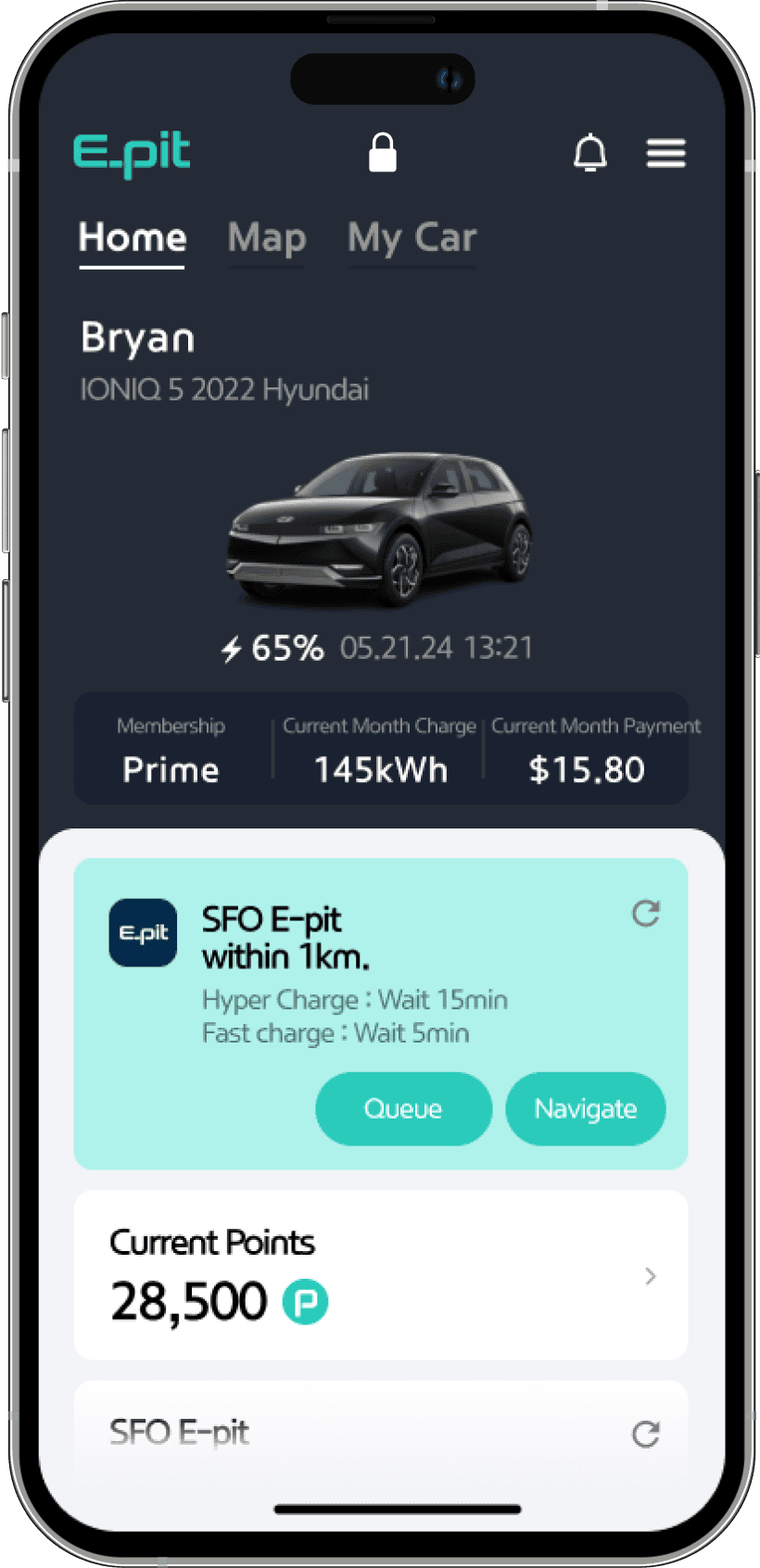
Home (Recreated from Existing UI)
Map - Journey Planning
Map - EV Station Specification
EV Station Waitlist Information
Users can view how many cars are waiting for each type of Charging Mode and wait in line or locate other stations.
View Waitlist
Join Waitlist for Charging Port Use
Set as Destination
EV Station Amenity Service Options & Waitlist Information
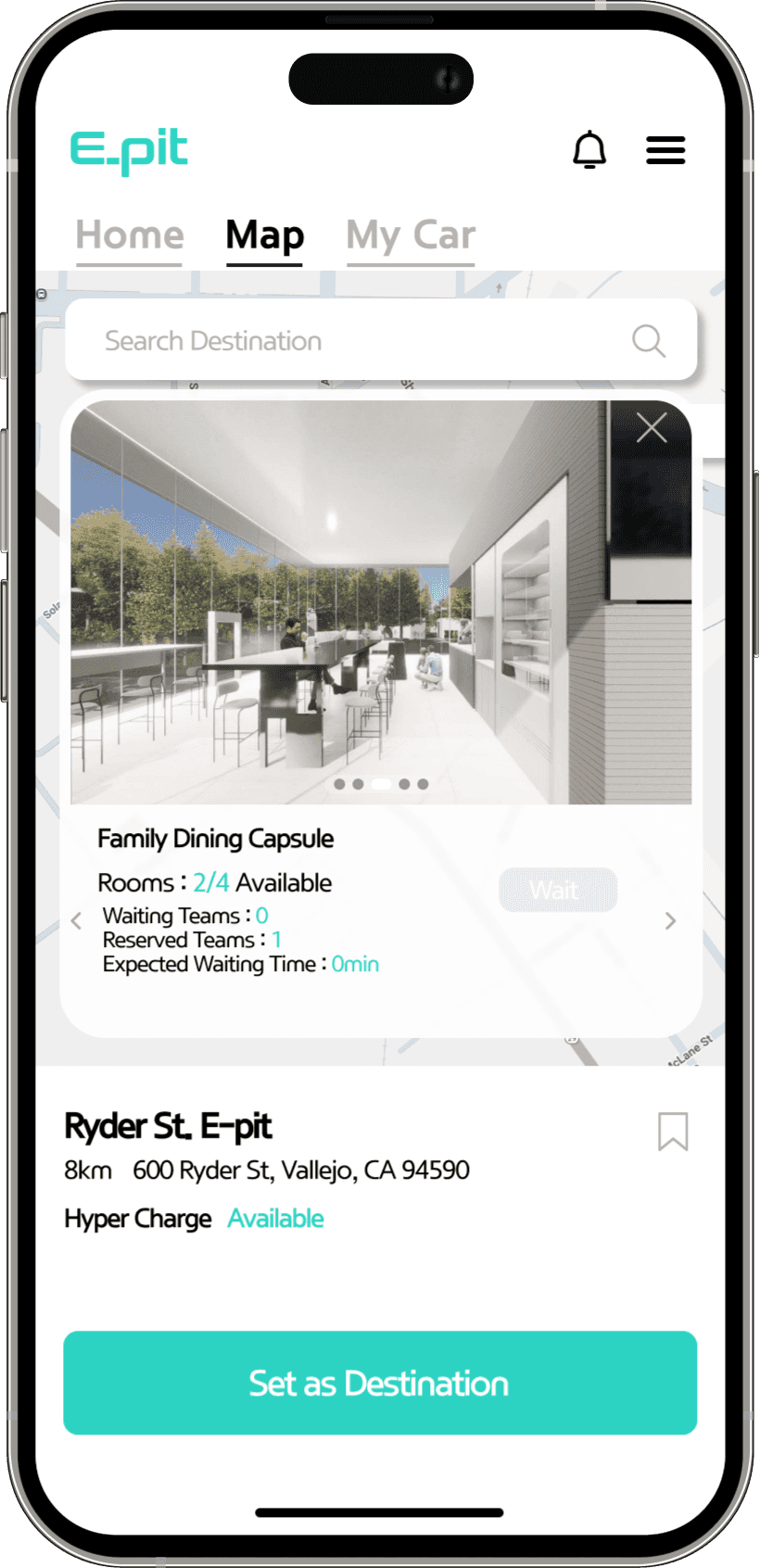
Users can view what amenities & services the chosen EV Station provides and the amount of teams waiting to use them.
Select EV Station
Browse Meeting Room & Waitlist
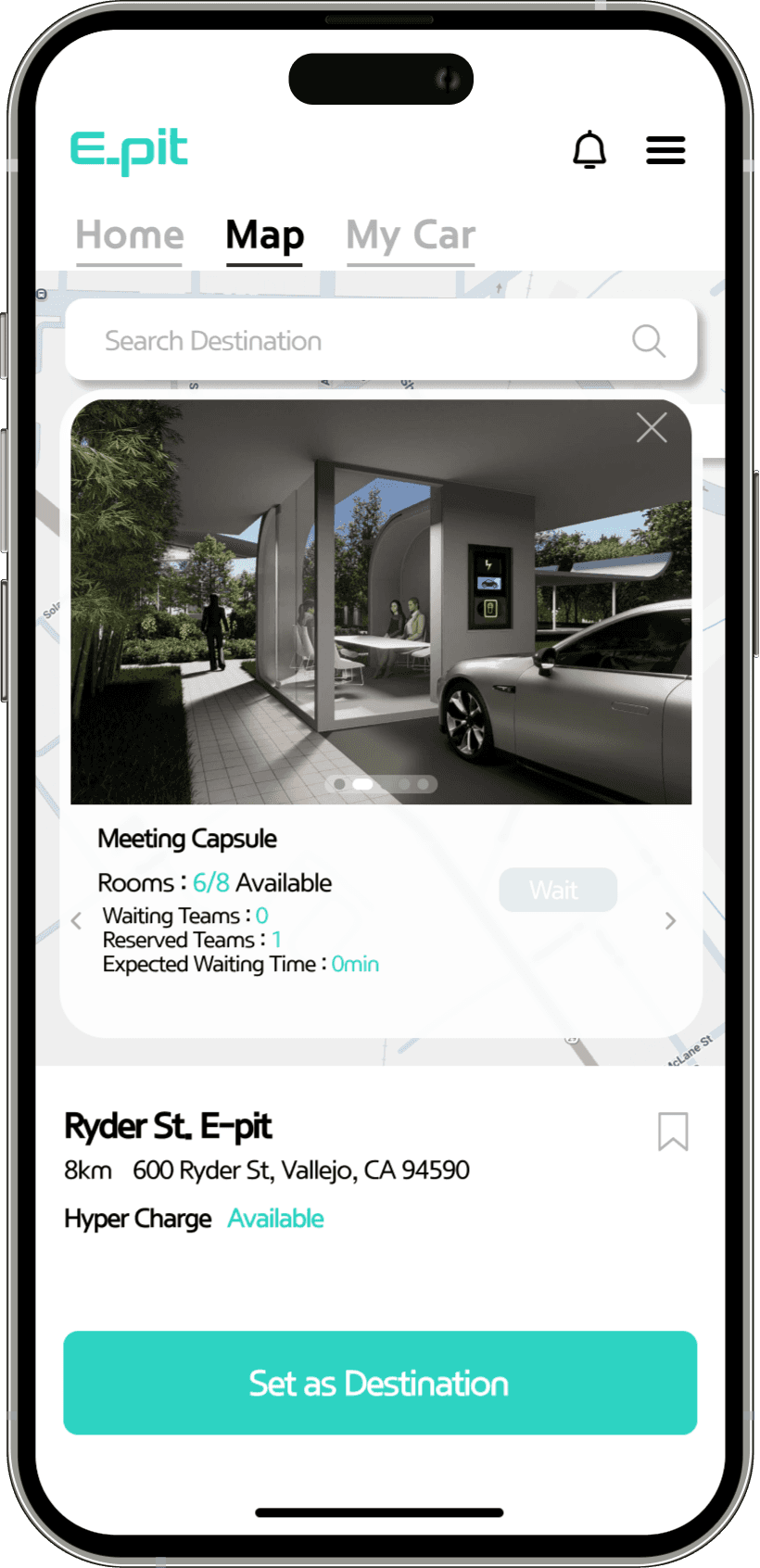
Browse Picnic Room & Waitlist
Spatial Design
Spatial Problems
The most evident problems in terms of space was the lack of shelter, lack of circulation organization, and the lack of service amenities. These problems could be applied in terms of architectural design, by providing canopies that protect users, designating waiting lanes and spaces, separating vehicle & pedestrian lanes, and providing necessary service facilities.
Lack of Shelter for Weather Conditions
Lack of Vehicle & Pedestrian Circulation Organization
Lack of Service Amenities & Programs at Charging Stations
Spatial Solutions
Canopy for Shade
Waiting Lanes
+
Circular Vehicle Circulation
Provide Service & Amenity Facilities
Spatial Design Outcome
EV Station Plan Design
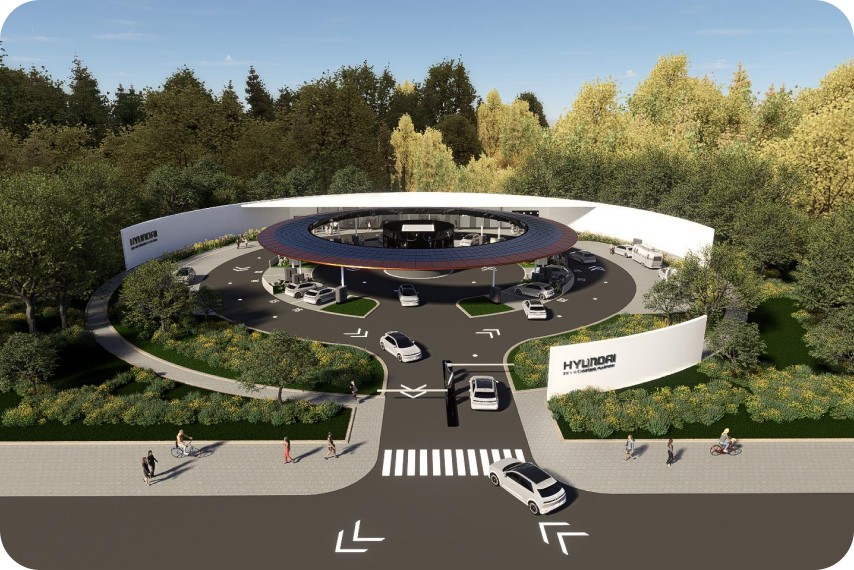
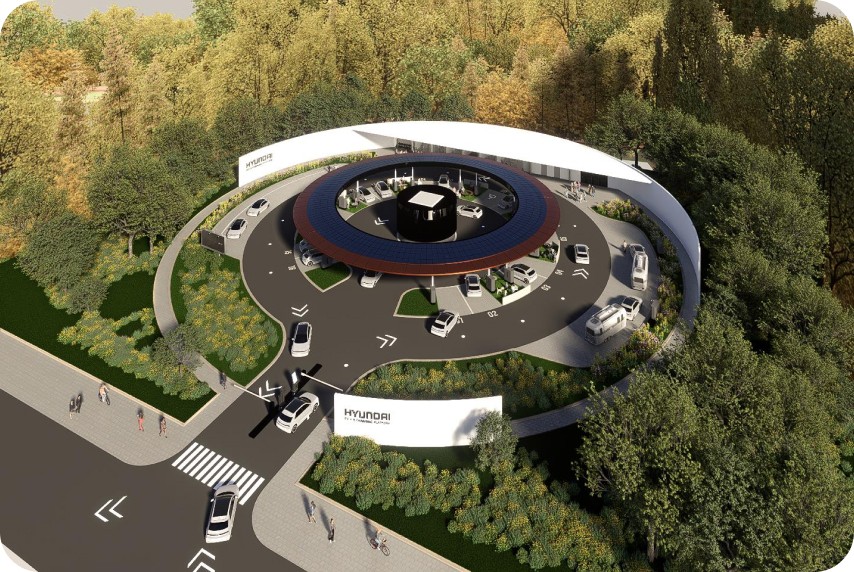
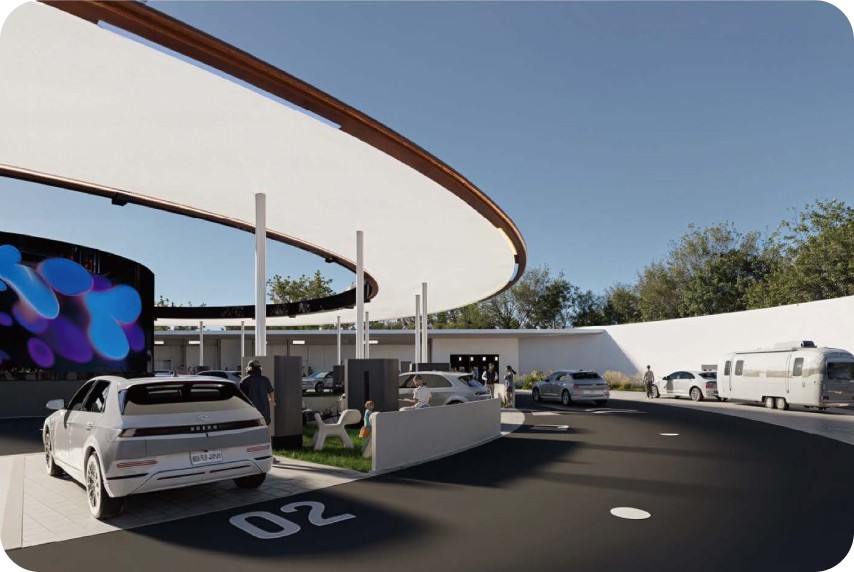
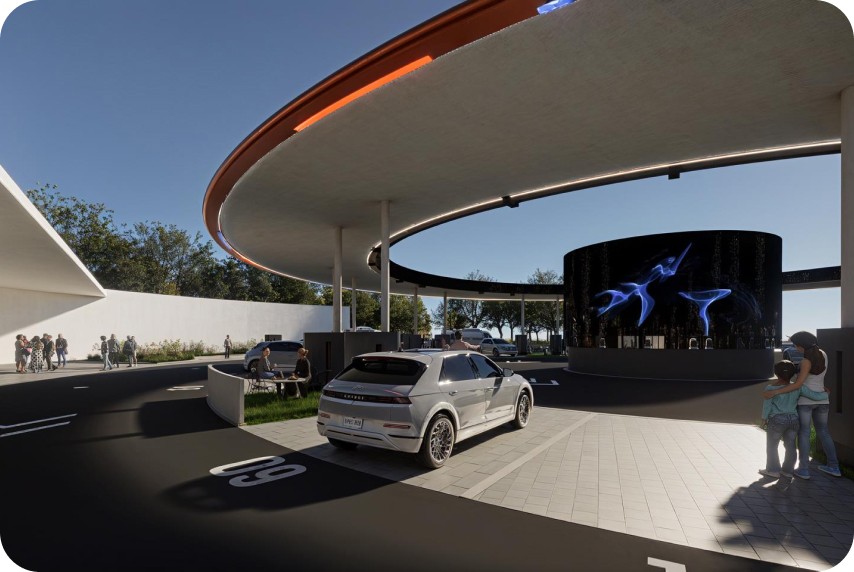
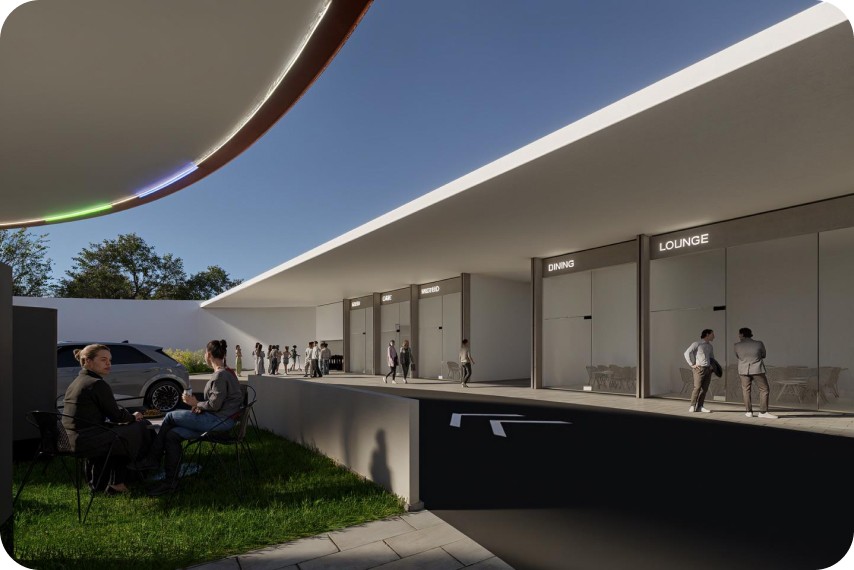
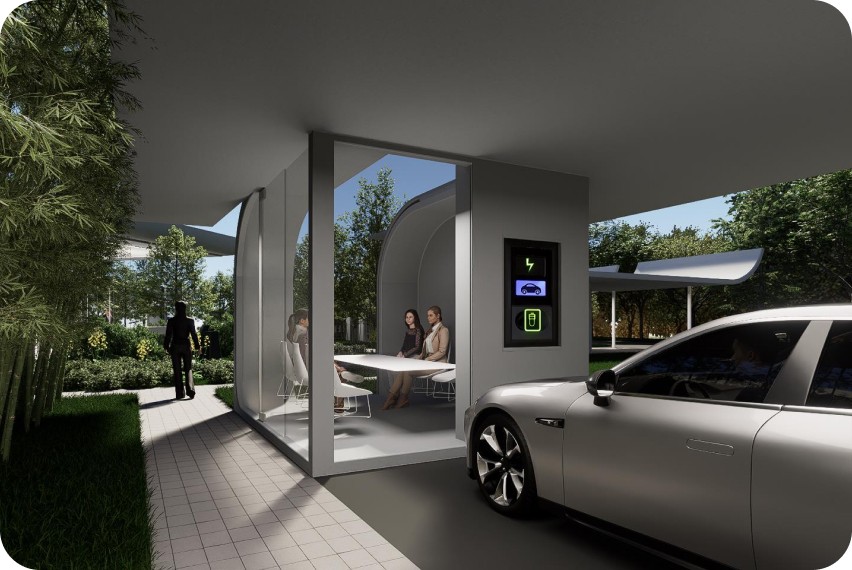
Our main EV Station Proposal out of the 5 proposed concepts features organized and divided circulation management for EVs, Personal Mobilities, and Pedestrians within the circular plan design.
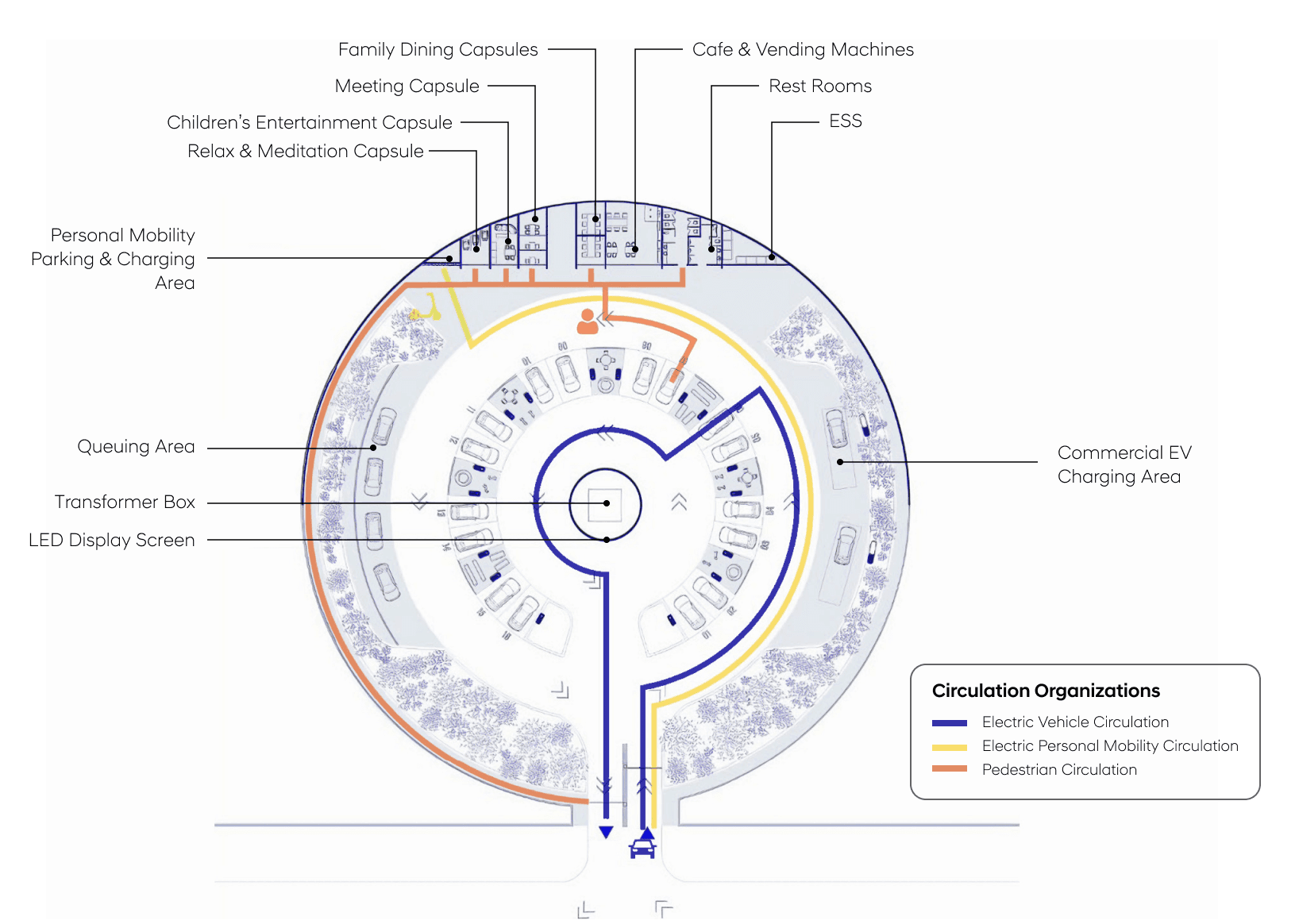
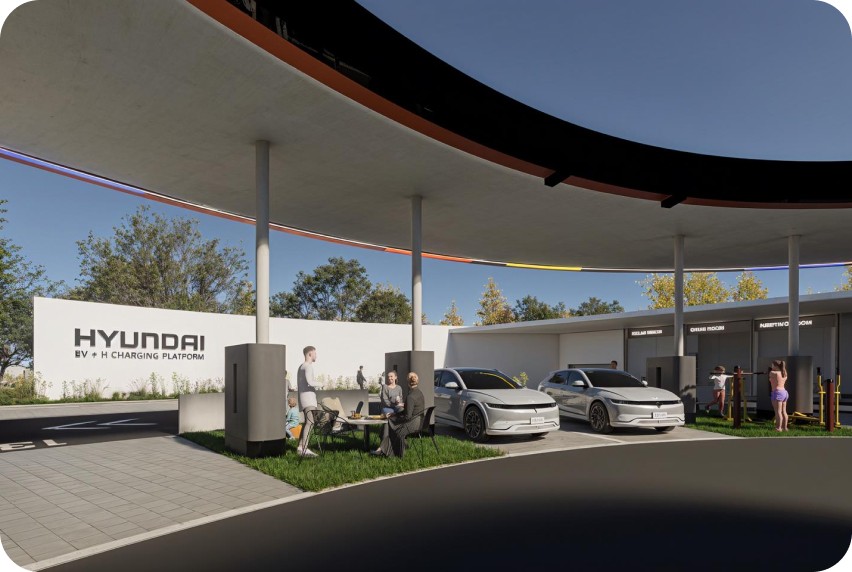
The Station also includes multiple amenities and queuing areas for idle EVs waiting for their turn at charging ports.
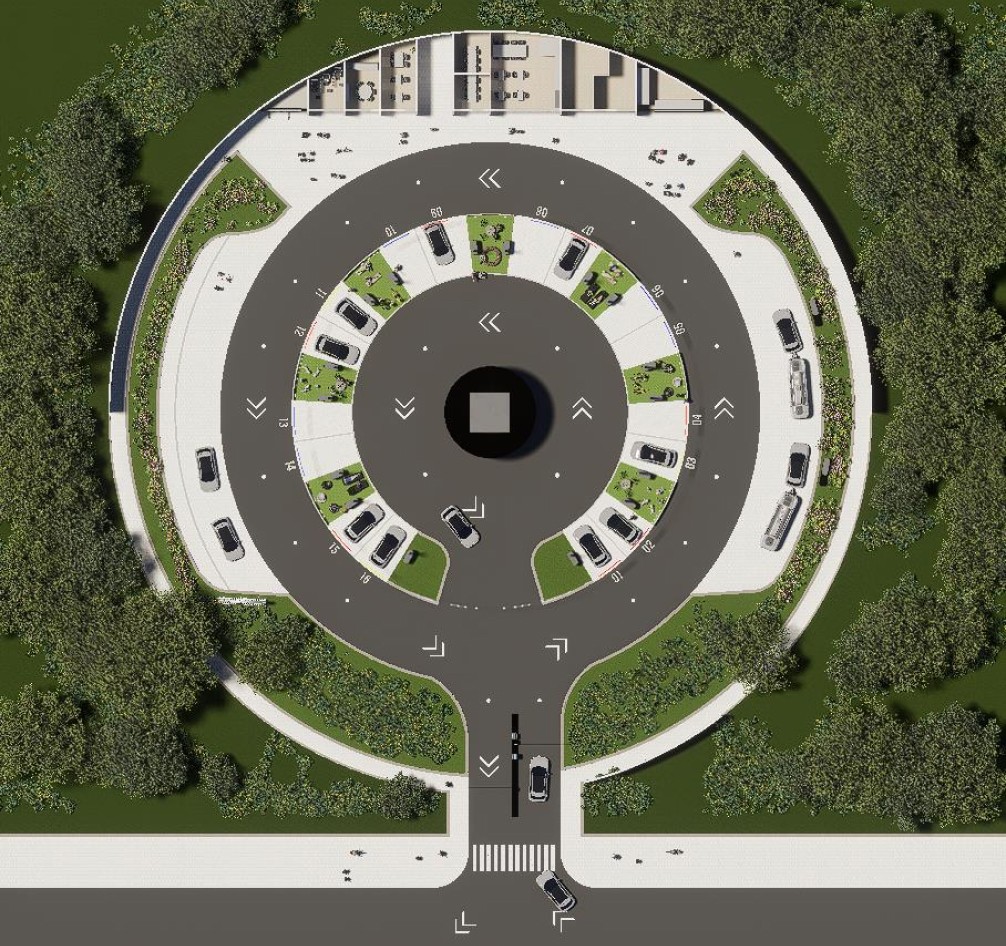
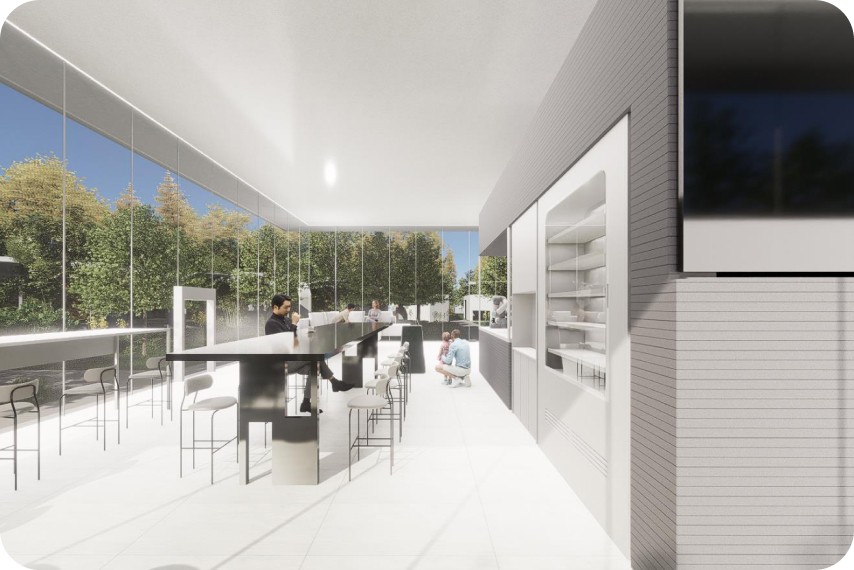
EV Station Spatial Design
Concept render images for the main proposal of HYUNDAI’s EV Stations for North America.
They correspond to the pain points and needs of EV users and their charging experience.
Takeaways
User Experience Research is the basis of all design. As I look back at the 5 years of architectural undergraduate studies, I realize that everything I designed has been directly or indirectly connected to the inhabitants, a.k.a Users.
Conducting in-depth on-site research across California has taught me the significance of analyzing user feedback and how it can impact business projects on a large scale.
Solutions to User Constraints can come in various forms. Architecture, Interfaces, Physical Products, Digital Products etc. It is not the medium that matters. It is how effective the solution is to the initial problem defined.
Mobility user experience is not limited to within the vehicle. The user experience begins from before entering the vehicle, while within the vehicle, and after leaving the vehicle.
Copyright©2026. All right reserved Sun-Q Kim